
Shaping user expectations is just as important as shaping pixels
Design starts in the mind, not on the screen

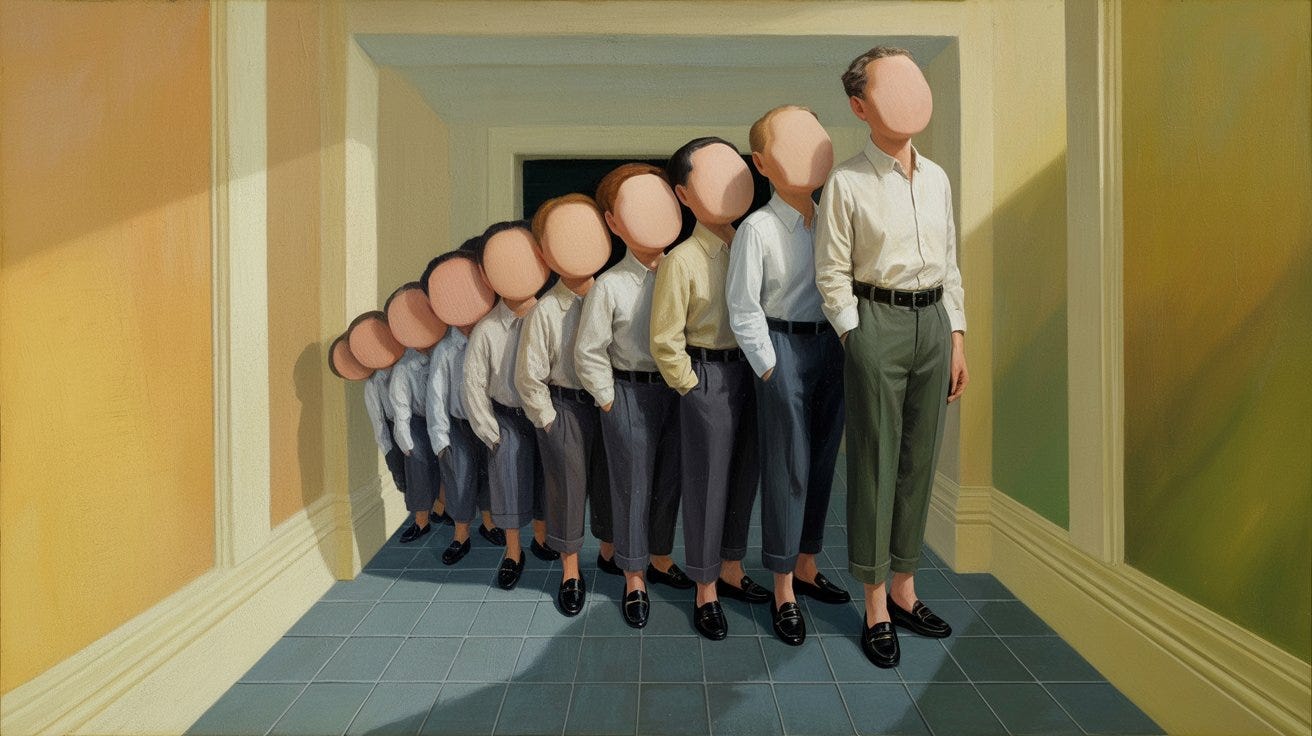
You might think your design journey starts the moment you place that first perfect pixel. But actually, a lot of the heavy lifting happens even earlier, inside this crazy world called “The user’s mind”. This is where the Expectation Effect kicks in, and understanding it is critical if you want to deliver a great project.
So, what is it? The Expectation Effect basically says that people’s perception and behavior shift based on what they expect will happen. If someone believes something is going to work a certain way, that belief alone can help bring that outcome to life. Expectation is always a double-edged sword. It can lead to tremendous success or to an unforgettable failure.
As designers, our job isn’t just about putting pixels in the right place. It’s about shaping those expectations in a way that feels credible and aligned with the audience we’re serving. Believe me, finding that balance is a task that requires attention and precision.
Beauty should not be underestimated
One of the most obvious ways expectations shape experience is through the Aesthetic Usability Effect. In simple terms: good-looking designs are perceived as easier to use than less-attractive ones, even if that’s not objectively true. It works the same way we evaluate packaging in a supermarket. If it looks good, it must be good.
A strong first impression can carry a product for a long time. If your design looks intuitive, people are more likely to spend time exploring before giving up or asking for help. Even when they hit bumps along the way, they’ll be more forgiving. A clean and polished interface doesn’t just look nice, it actually buys you goodwill.
Or as Don Norman put it, “Attractive things work better.” He was right.
Framing the conversation
Designers also have the power to shape expectations through framing. This is all about how you choose to present information: the words, images, and context.
If you want people to take actions like sign up, buy or click, you should frame things positively. Highlight what they will gain, and you’ll see more proactive, risk-taking behavior.
If you want people to pause, avoid, or reconsider, negative framing works better. Highlight what they could lose, and you’ll influence caution.
The trick is subtle but powerful. And it’s everywhere.
BJ Fogg, the researcher behind the Behavior Model, summed it up well: “People’s expectations about how easy or difficult something will be strongly predict whether they will try it in the first place.”
The testing trap
Here’s where it gets tricky. While setting strong expectations can be amazing for your live product, it can ruin your usability testing if you’re not careful.
Why? Because people naturally pick up on what they think you want from them. This is called Demand Characteristics. If you hint that a feature is supposed to be easy, participants will bend their behavior to match your expectations. Suddenly, you’re not testing usability anymore. You’re testing your own influence.
That’s why one golden rule in usability sessions is to keep your expectations out of the room. Observe, don’t guide. Let participants show you where the friction really is. Jakob Nielsen once warned, “Leading the witness in usability testing is almost as damaging as not testing at all.” And he was right.
Some real-world examples
Apple launches: Before you even touch an iPhone, Apple has already shaped your expectation of elegance through storytelling and visuals. That’s why users tolerated flaws like Apple Maps’ rocky start in 2012. They trusted the brand’s design credibility.
Dropbox in 2009: A simple explainer video framed the product as the answer to “file chaos.” That expectation alone fueled massive signups, even before most people had tried it.
Wearables placebo: A Stanford study found that people who believed their fitness trackers would improve their activity actually walked more (even when the trackers weren’t recording).
Booking.com: Urgency cues like “Only 2 rooms left” and reassurance like “Free cancellation” work because framing sets the expectation of scarcity or security, nudging behavior.
Rounding off
Psychologist David Robson explained it best: “Your expectations can set off a chain reaction in your mind and body that changes your perception, your performance, and even your physiology.”
That’s why great design isn’t just about what people see or do. It’s about what they believe will happen before they even start. Expectations can carry users over bumps, influence choices, and even change how they feel about the product long after the first click.
So next time you sit down to design, remember: you’re not just shaping pixels. You’re shaping beliefs. And those beliefs might be the most powerful design tool you have.
References
William Lidwell, Kritina Holden, Jill Butler (2011) Universal Principles of Design, Revised and Updated
Jeff Rubin, Dana Chisnell (2008) Handbook of Usability Testing: How to Plan, Design, and Conduct Effective Tests
Elizabeth Goodman, Mike Kuniavsky, Andrea Moed (2012) Observing the User Experience, Second Edition: A Practitioner’s Guide to User Research